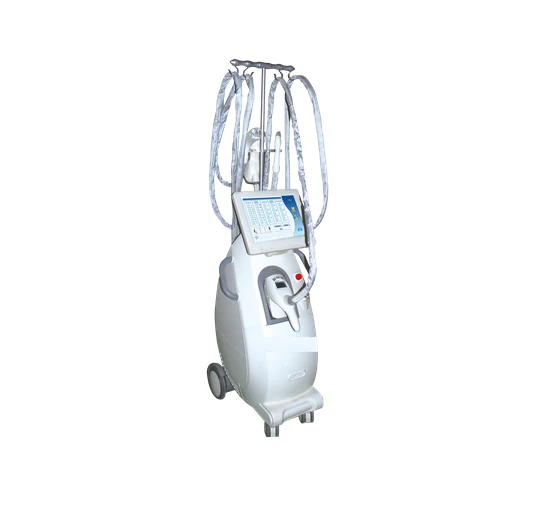
Ultrasonic Cavitation Machines
Cavitation machines buyer guide: how 40kHz ultrasonic cavitation fits a body-contouring menu, what to compare across configurations, and which claims to verify on the exact quotation.
- Energy source
- 40 kHz ultrasound
- Quotation status
- SM-01 platform family
Platform overview
Place the platform in the right comparison set.
An ultrasonic cavitation machine applies low-frequency focused ultrasound, typically around 40kHz on the Pmise SM-01 line, to disrupt fat cell membranes so the body can process the released triglycerides. This page keeps the comparison at family level: buyers shortlisting the best ultrasonic cavitation machine should verify handpieces, output, safety features and consumables on the exact model quotation.
Buyer goals
Where this family belongs.
- Localized fat and circumference workflow
- Non-invasive body menu entry point
- Cavitation plus RF combination planning
Quote checklist
What to verify model by model.
- 01Handpiece set and applicator sizes
- 02Operating frequency and output control
- 03Combination options (RF, vacuum, roller)
- 04Consumables such as coupling gel
Buyer guide
What is a cavitation machine actually doing?
A cavitation machine is an ultrasound cavitation machine working at low frequency: the Pmise SM-01 family operates at 40kHz, well below imaging ultrasound, so the energy forms micro-bubbles in the fat layer that stress and disrupt fat cell membranes. The released triglycerides are then processed by the body over the following weeks. The treatment is non-invasive, with no downtime specified for the platform.
Because the mechanism relies on the body clearing released fat, a cavitation service is a course-based workflow rather than a single-visit result. Session planning, measurement consistency and client communication decide whether the machine earns its place on the menu. Reject any sales language that presents cavitation as a substitute for weight management: it is a localized contouring category.
Buyer guide
The frequency number is not a quality score
Catalogues in this category advertise 30k, 40k or 80k handpieces, and buyers often assume a bigger number means a better machine. The honest answer is that frequency selects the working depth and sensation profile, and the right value depends on the area being treated. The Pmise family standardizes on 40kHz for body work; verify the exact handpiece list and frequency of the configuration you are quoted rather than shopping by the largest number on the page.
The comparison that actually separates machines is operational: output control resolution, handpiece ergonomics for continuous movement, duty cycle over a full session, and how the console communicates fault states. Ask to run a full-length session in a demonstration, not a thirty-second touch test.
Buyer guide
Cavitation and radio frequency belong together in the plan
Most body programmes pair cavitation with a cavitation and radio frequency machine workflow: ultrasound addresses the localized fat volume, then RF heats the dermis to support tightening as circumference reduces. In the archive Pmise slimming line this pairing appears alongside vacuum and roller handling in one console, which is why the family sits in the multi-treatment section of a purchasing plan.
If you intend to run the combined workflow, confirm on the quotation whether cavitation and RF are separate handpieces on one platform or separate machines, what the changeover takes between modes, and whether the two services can be scheduled in one appointment slot. Room time is the real cost of a combination menu.
Buyer guide
Price the whole service, not the console
Cavitation machine price ranges are wide because configurations differ: handpiece count, combination modules, control systems and support terms all move the number. When you compare an ultrasonic cavitation machine for sale across suppliers, normalize the quotation first: exact model, handpiece list, electrical version, warranty term, training and the consumable assumptions per session, starting with coupling gel.
Then build the business case from your own appointment length, staffing and local pricing. A cheaper console that cannot hold a full-day schedule, or that locks you into unavailable consumables, is the expensive option. Ask the supplier to separate family-level claims from the documentation of the exact machine on the quote.
Limits and safeguards
Know what the platform cannot decide for you.
- Cavitation is a localized contouring category, not a weight-loss treatment.
- Handpiece sets, frequencies and combination modules vary by configuration; verify on the exact quotation.
- Session outcomes vary between individuals; course-based planning and measured client communication are required.
- Archive parameters from older slimming manuals must not be copied into a current operating protocol.
Related decisions
Continue through the treatment map.
- Body Programmes — Compare cooling, RF and other non-laser energy families by workflow and configuration.
- Multi-treatment Menu — Compare configurable light, RF and selected laser families around the services you intend to offer.
Frequently asked questions
FAQWhat is a cavitation machine used for?
Localized body contouring: 40kHz low-frequency ultrasound disrupts fat cell membranes so the body can process the released triglycerides. It is discussed as a course-based, non-invasive workflow for circumference reduction, not as weight loss.
How much does a cavitation machine cost?
Quotations vary with handpiece count, combination modules (RF, vacuum, roller), electrical version and support terms. Normalize the configuration before comparing prices, and ask for per-session consumable assumptions such as coupling gel.
Do I need RF as well as cavitation?
Many body programmes pair the two: cavitation for the fat layer, RF for dermal heating and tightening support. Whether you need both depends on the service menu; confirm how the quoted platform handles the combination before you commit.
Evidence trail
Published research used in this guide
These papers support the technology context. They do not replace the current manual, training or documentation for the exact equipment named in a quotation.
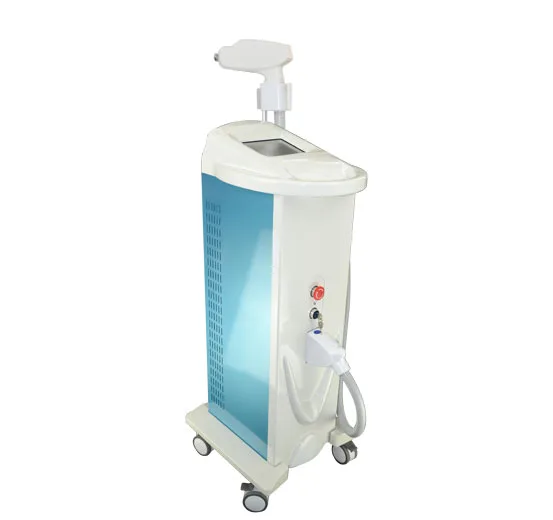
808nm Diode Laser
A single-wavelength platform documented for professional hair-reduction workflows.
808nm↘02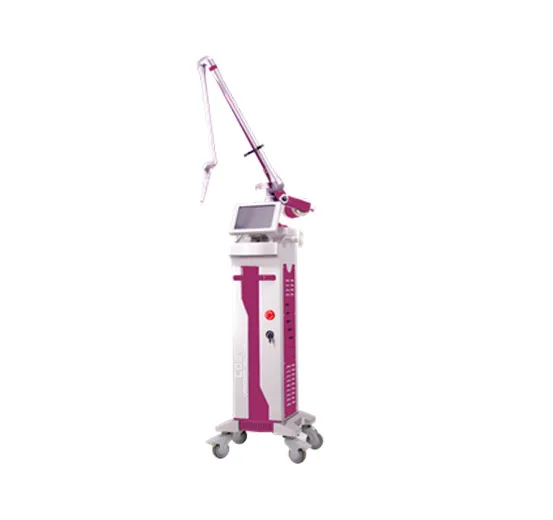
Fractional CO₂ Laser
A 10600nm fractional family with configurations for different professional workflows.
10600nm↘03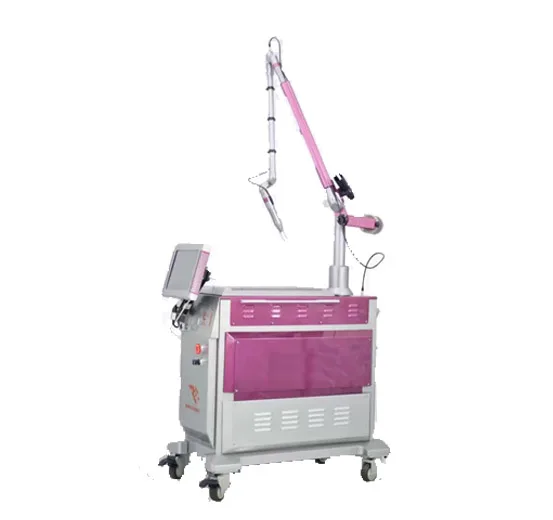
Q-switched Nd:YAG
A dual-wavelength family documented for professional pigment and tattoo workflows.
1064 + 532nm↘Next step
Discuss the right Ultrasonic Cavitation Machines configuration.
Tell us your priority services, market, client mix and business type. Ask for the exact configuration, documents, training and service terms you need.
Describe your equipment plan ↘