Protocol design
Body Cavitation Area by Area: Where It Works and Where It Struggles
Body cavitation sells itself as a non-invasive contouring tool, but results vary wildly by treatment area. Abdomen, flanks, thighs, arms, back, and submental each demand a different plan. This guide maps those differences so you can buy machines and design protocols that actually work.
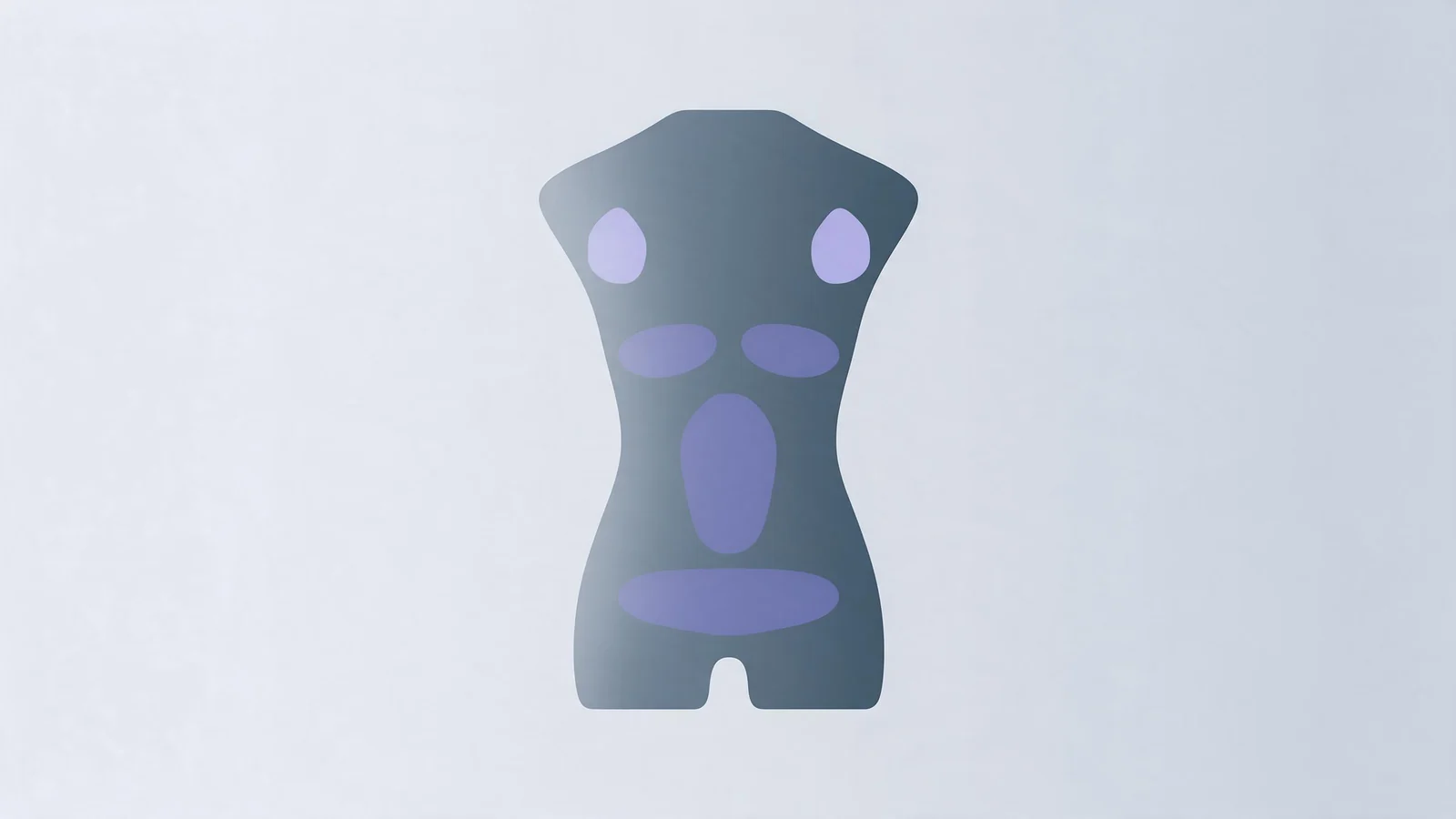
Buyer guide
Why Treatment Area Selection Comes Before Everything Else
The first question in any body cavitation purchase shouldn't be 'which machine?' It's 'which areas will we treat?' Fat is not the same everywhere. Abdomen fat is soft and vascular. Flank fat is fibrous. Thigh fat sits over dense fascia. Submental fat is thin and superficial. If your protocol treats all of them identically, you'll get inconsistent results and unhappy clients.
Ultrasound cavitation targets fat cells by creating pressure waves that disrupt adipocyte membranes. The effect is mechanical, not thermal. Low-frequency ultrasound at 40 kHz is typical for body contouring. But the same frequency doesn't mean the same outcome on every body part. Tissue thickness, blood supply, and the amount of fibrous septae all change how cavitation behaves.
Our engineering archive notes that ultrasonic cavitation platforms are built for soft, subcutaneous fat deposits. Dense, fibrous fat responds poorly. Thin fat layers over bone risk discomfort and reduced efficacy. So treatment area selection isn't just a marketing decision. It's a safety and performance boundary.
Buyers should map their client base before selecting a device. A clinic focused on postpartum abdominal work needs different protocols than one doing arms and submental. The machine may be the same, but the handpiece, settings, and expectations all shift.
Buyer guide
Abdomen: The Workhorse Area
The abdomen is the most requested body cavitation area. Fat here is typically soft and responds well to low-frequency ultrasound. The tissue is thick enough to absorb energy without hitting bone, and the blood supply is good enough to clear disrupted fat. But not all abdominal fat is equal. Visceral fat sits behind the muscle wall and cavitation cannot reach it. Only subcutaneous fat, the pinchable layer, is treatable.
Our device manuals describe a circular handpiece movement with firm contact. The transducer face must stay flat against the skin. Gel is essential. Without adequate coupling, ultrasound reflects at the skin surface and does nothing. Treatment time per zone usually runs 10-15 minutes, but always check your device's specific guidance.
Realistic promises matter. Cavitation can reduce circumference, but it won't flatten a protruding belly caused by visceral fat or poor posture. A fair outcome is a 1-3 cm reduction after a series, measured at the umbilicus. Clients with a high percentage of visceral fat should be screened out or referred. That's not a machine failure; it's a selection failure.
Circumference is a fairer measure on the abdomen than on a limb. Swelling and water retention can mask results, so measure at the same time of day, same hydration state, and same tape tension. Our engineering archive suggests using a standardized measuring protocol to reduce operator error.
Buyer guide
Flanks and Bra Line: The Fibrous Challenge
Flank fat, often called love handles, sits over the oblique muscles and iliac crest. It's denser and more fibrous than abdominal fat. The fibrous septae are like internal scaffolding. Ultrasound energy scatters in fibrous tissue, reducing cavitation efficiency. That's why flanks need more sessions than the abdomen for the same visual change.
The bra line area, just below the shoulder blade, is another fibrous zone. Fat here is often resistant to diet and exercise, which is why clients seek body cavitation. But the tissue is thin over the ribs. The FDA guidance for focused ultrasound stimulator systems warns against use over open wounds, active implantables, and metallic implants, but it doesn't specifically address bony prominences. Still, general clinical practice says to avoid pressing hard over ribs. Use lower power and a larger handpiece head to distribute the energy.
Technique adjustments help. Work in small, overlapping circles. Keep the handpiece moving. Avoid dwelling on one spot, especially over the iliac crest. The skin here is also prone to bruising, so check your device's intensity settings. Some operators use a higher frequency for thinner tissue, but that's not a universal rule. Follow the manufacturer's protocol.
Realistic expectations: flanks will not disappear. A visible smoothing of the silhouette is a good outcome. Circumference at the waist may drop slightly, but the visual change is often better captured with photographs. If a client's main complaint is a thick bra roll, consider combining cavitation with RF skin tightening to address laxity as well.
Buyer guide
Outer and Inner Thigh: Know Your Fascia
Outer thigh fat, the saddlebag area, is notoriously stubborn. The tissue is dense with connective tissue and sits over the tensor fasciae latae. Cavitation can work, but it's slower. Clients often need 8-12 sessions for a noticeable change. The inner thigh is more vascular and softer, but it's also a sensitive area with thinner skin. Both thighs respond better when the client is well hydrated, because cavitation relies on fluid content in the tissue.
One structural issue: the fascia lata is a tough membrane that surrounds the thigh muscles. Ultrasound energy doesn't easily penetrate it. So the fat above the fascia is the target, but the fascia itself can reflect energy and cause uneven distribution. Our device manuals note that the handpiece should be moved in long strokes along the muscle direction to avoid hot spots.
Safety on the inner thigh: the femoral artery and vein run close to the surface. Never treat directly over the groin. The saphenous vein is also superficial in the lower inner thigh. Use a smaller handpiece head for precision and keep the energy low. The FDA's focused ultrasound guidance says to avoid use over areas with open wounds or lesions, and that's particularly relevant here because inner thigh skin can be irritated by chafing.
Circumference measurement on thighs is tricky. Swelling from the treatment itself can increase the measurement temporarily. Wait at least 24 hours before measuring. Compare left and right thighs, and measure at a fixed distance from the knee crease. A 1-2 cm reduction after a full series is realistic for outer thighs. Inner thighs may show less due to the thinner fat layer.
Buyer guide
Upper Arms and Submental: Small Areas, Big Expectations
Upper arm fat is usually soft and responds well to cavitation. The triceps area is accessible and the fat layer is thick enough. But skin laxity is often a bigger issue than fat. If the client has significant sagging, cavitation alone will leave loose skin. Combine with RF skin tightening or set expectations clearly.
Handpiece technique on the arm: treat the posterior upper arm only. Avoid the inner arm near the axilla, where lymph nodes and major vessels are close. Use a smaller head if available. The arm can be treated with the client seated or lying with the arm abducted. Keep the handpiece moving in a spiral pattern from elbow to shoulder.
Submental fat, under the chin, is a different story. The fat layer is very thin, often less than 1 cm. Ultrasound energy can easily reach the platysma muscle and the mandible. Some devices have specific submental applicators with lower power. If your machine doesn't, it's better not to treat this area at all. The risk of nerve and muscle damage is real. The FDA's focused ultrasound guidance states that the device is intended for temporary changes, but that doesn't mean it's safe everywhere. Submental treatment requires a skilled operator and a device designed for small areas.
Our engineering archive has no specific note on submental treatment with our standard cavitation platforms. That suggests it's not a primary application. If clients ask for submental, consider a different technology or a device with a dedicated small applicator. Don't force a body handpiece under the chin.
Buyer guide
Back and Other Areas: When to Say No
The back is a mixed bag. The upper back, around the bra line, we covered earlier. The lower back, just above the buttocks, is often soft and treatable. But the mid-back, along the spine, has very little subcutaneous fat. Cavitation there would hit bone and muscle. Not useful.
Other areas like the knees, ankles, and calves are generally not good candidates. Fat layers are thin, and the risk of hitting bone, tendons, or nerves is high. The FDA's focused ultrasound guidance warns against use over metallic implants and active implantables. That includes things like knee replacements and pacemakers. So the screening process must ask about implants in any area you plan to treat.
The standard for patient safety in therapeutic ultrasound, IEC 60601-2-62, says devices must not produce unwanted thermal or mechanical damage in or distal to the region of interest. That's a technical way of saying: don't treat near structures you don't want to affect. A good rule is to pinch the fat. If you can pinch more than 2 cm, it's treatable. If you can't, skip it.
Screening is the boundary. Contraindications for ultrasound diathermy include use near nerves, brain, eyes, reproductive organs, malignancies, infections, pregnancy, and metallic implants. Our device manuals list the same. A client questionnaire should cover these before every session. If there's any doubt, refer to a physician. Body cavitation is not for everyone.
Buyer guide
Screening and Contraindication Boundary
Before you buy a machine, think about the screening process. Who will assess clients? What training do they have? The FDA's focused ultrasound stimulator system is a prescription device, meaning it should be used by or under the supervision of a licensed practitioner. Labeling must include indications, contraindications, and precautions. That's not just a legal requirement; it's a practical one.
Our engineering archive notes that the company provides training and technology support. Use that. A machine without a trained operator is a liability. Specific contraindications from the FDA guidance: open wounds or lesions, severe or cystic acne, active implantables like pacemakers, and metallic implants in the treatment area. Pregnancy is also a standard contraindication for any ultrasound therapy.
The IEC 60601 Part 1 standard establishes mechanical, electrical, chemical, and thermal safety requirements for all electromedical equipment. Part 2 for therapeutic ultrasound goes further. It says the device must not display incorrect numerical values, produce unwanted ultrasound output, or cause unwanted tissue damage. That means the machine's settings must be accurate and the operator must understand them. Don't buy a device with vague power controls.
This page is educational material for equipment buyers, not medical advice. Always consult a physician for patient-specific questions.
Buyer guide
FAQ
Body cavitation is not a weight-loss treatment. It's a contouring treatment for localized fat deposits. Clients should be near their ideal weight with stubborn pockets of fat. If they need to lose 20 kg, tell them to come back later.
How many sessions? Most areas need 6-12 sessions spaced 3-7 days apart. The abdomen may respond faster; flanks slower. Maintenance sessions every 4-6 weeks can help, but that's not always necessary.
What about combining with other technologies? RF skin tightening after cavitation can improve skin texture. Cryolipolysis is another option, but it's a different mechanism. Our site has a guide comparing body contouring technologies here.
For more on our ultrasonic cavitation machines, see the product page. And if you're building a full body programme, check out our body programmes.
Frequently asked questions
FAQWhat is body cavitation?
Body cavitation is a non-invasive treatment that uses low-frequency ultrasound to disrupt fat cells. The pressure waves create tiny bubbles in the fluid around fat cells, which then collapse and damage the cell membranes. The released fat is processed by the lymphatic system. It's not a weight-loss method, but it can reduce localized fat pockets.
How many sessions are needed?
Most areas require 6-12 sessions, spaced 3-7 days apart. The abdomen often responds faster, while fibrous areas like flanks may need the full 12. Results are gradual and depend on the client's metabolism, hydration, and lifestyle. Maintenance sessions every 4-6 weeks can help preserve the contour.
Is body cavitation safe?
When used correctly, body cavitation is considered safe. The FDA has cleared ultrasound therapies for non-invasive body contouring. However, safety depends on proper screening, avoiding contraindicated areas, and using the device according to the manufacturer's instructions. Never treat over open wounds, implants, or during pregnancy.
Which areas cannot be treated?
Areas with very thin fat layers over bone, such as the mid-back, knees, and shins, are not suitable. Submental treatment is risky with standard body handpieces. Any area with metallic implants, active implantables, open wounds, or skin conditions should be avoided. Always screen clients before treatment.
Evidence trail
Published research behind this guide
This guide is educational material for equipment selection. It is not medical advice, an operating protocol or a promise of clinical outcome.
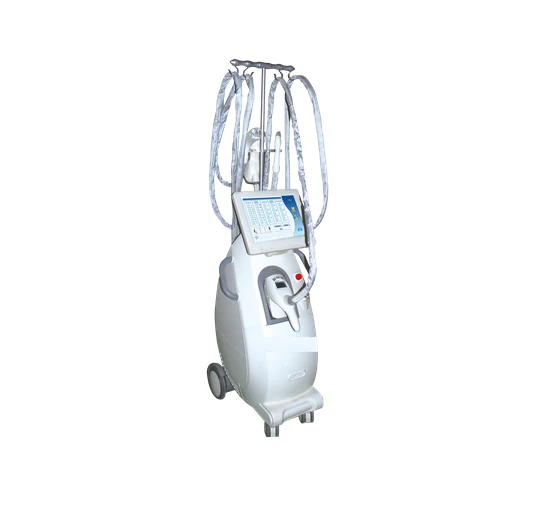
Ultrasonic Cavitation Machines
Cavitation machines buyer guide: how 40kHz ultrasonic cavitation fits a body-contouring menu, what to compare across configurations, and which claims to verify on the exact quotation.
40 kHz ultrasound↘05
RF Skin Tightening
A non-laser energy family for buyers comparing thermal skin platforms.
Radio frequency↘Next step
Compare current configurations against the criteria in this guide.
Tell us your priority services, market, client mix and business type. Ask for the exact configuration, documents, training and service terms you need.
Describe your equipment plan ↘