Clinic operations
Setting Up a Body Contouring Room
Body contouring room setup either pays for itself every day or quietly leaks ten minutes per client. The equipment is the easy decision. Where the couch sits, how gel gets from bottle to skin and what you are allowed to wipe a transducer with will do more for your throughput and your complaint rate than any spec sheet.
Buyer guide
Start with the couch, not the machine
Most buyers choose the platform first and squeeze a room around it. That order is backwards. You will spend far more hours standing beside the couch than looking at the screen, and the wrong working height turns a comfortable week into a shoulder problem by month three.
Powered height adjustment earns its price the day two therapists of different builds share the room, because a hand-cranked frame never actually gets adjusted and ends up wrong for both. Set it so your knuckles graze the working surface when you stand relaxed.
Access matters just as much. Abdomen, flanks and outer thigh are two-sided jobs. Push the couch against a wall and you double the leaning your staff do while halving the far pass. Leave a lane on both long sides, wide enough to step rather than shuffle. Check the weight rating, and buy a step. Climbing onto a raised couch in front of a stranger is where a first session goes cold.
Buyer guide
Bench, trolley and the one cable rule
One rule, worth writing on the wall: no cable ever crosses a line somebody walks on. Handpiece leads, mains cable, the foot switch that ships with most cryolipolysis platforms. If a lead has to cross the floor, the layout is wrong, not the lead.
Park the machine at the client's hip on the operator's dominant side. The cable then falls away from the body during an abdomen pass instead of dragging gel across clean linen. Our device manuals are blunt about storage: every handle returns to its holder after use, never the couch. A handpiece dropped from couch height is a repair, not an accident.
Split the bench into a wet zone and a dry zone, and never let them meet. Gel, wipes, disinfectant and the waste bin on one side. Tablet, consent forms and card reader on the other. A trolley on castors beats a fixed shelf for the same reason a good ultrasonic cavitation system is on wheels: the room gets rearranged for prone work, and anything bolted down becomes an obstacle.
Buyer guide
Power and heat, the boring part that stops your day
Read the environmental page of the manual before you sign the lease. Our slimming platform manuals ask for a clean, low-dust room held roughly between 15 and 30 degrees Celsius, humidity no higher than 80 percent, free of corrosive particles or conductive dust. Our cryolipolysis manual is tighter still: 10 to 30 degrees, 20 to 80 percent humidity.
Vents need air. The same manuals require clearance between vent holes and the wall, and ask you to clean the air filter every two to four weeks, because a clogged filter shows up as weak vacuum suction and gets misdiagnosed as a broken handpiece. Carpet is a quiet enemy: our maintenance notes warn against stirring up dust when cleaning a carpeted room. Hard floor, mopped.
A vacuum and radiofrequency body platform in our archive draws up to 4 A at 200 to 240 V. Our cryolipolysis manual calls for 220 V plus or minus 10 percent at 10 A on an earthed three-pin socket, plus a voltage regulator above 3 kVA where local supply drifts outside that band. Give each platform its own socket. Cooling shapes the room too. Cavitation handpieces are air cooled, so the room absorbs that heat, while cryolipolysis runs a closed loop of roughly 1800 ml of distilled water that wants changing monthly under heavy use.
Buyer guide
Gel handling, where cross-contamination actually starts
Here is the uncomfortable part. Nonsterile multiuse ultrasound gel has caused real harm. CDC investigators traced 119 Burkholderia stabilis infections across ten US states between May and September 2021 to contaminated gel, and a national recall followed. Body contouring is not invasive work, and intact skin is a good barrier. One bottle living on one trolley all week is still the same risk model.
Never refill or top up a multidose bottle. The AIUM guideline says so plainly, and decanting from a bulk jug into a squeeze bottle is exactly where contamination gets introduced. Keep the bottle sealed between clients, keep the dispensing tip off skin and off the transducer face, and wipe it with a disinfectant wipe after each use.
Warm gel is a comfort win and a risk, and you should know which trade you are making. Australasian sonographer guidance does not recommend heating gel at all, since warmth encourages bacterial growth. Where warm gel is genuinely needed it calls for dry heat only, warmers cleaned to the manufacturer's schedule, and any bottle discarded 28 days after it enters the warmer. Water baths are out. Where skin is broken, sterile single-use packets are the answer.
Buyer guide
Cleaning between clients, and what is safe on a transducer face
Hygiene between clients is not one procedure. It is three surfaces with three answers, and staff get it wrong because nobody wrote it down. Under the Spaulding classification used in the CDC disinfection guideline, a device touching only clean intact skin is noncritical and needs low-level disinfection, not sterilisation. That covers a cavitation transducer, an RF head or a vacuum roller.
What you clean it with matters more than how hard you scrub. The AIUM statement is direct: follow the manufacturer's instructions, because the wrong agent damages the device. Wipe visible gel off until the face looks clean to the naked eye, apply an approved low-level disinfectant, then inspect. Crazing, fine cracks or fogging are the signature of a chemical the device was never rated for, and a damaged face changes how energy couples into tissue.
Our own manuals draw the same line from the other direction. They forbid flammable cleaning agents on the RF head and the treatment area, require power down before cleaning the cabinet, and rule out liquid detergents and spray chemical cleaners on the shell in favour of a soft cloth. Cabinet, handpiece body and working face are three jobs, and the manual picks the product.
Buyer guide
Towels, linen and the fact that this work is messy
Cavitation and vacuum work are wet, greasy and undignified in a way facial work never is. Budget linen honestly: a couch cover, a towel to screen the client, another to clear gel off a full abdomen, and something protecting their underwear. Eight treatments a day makes a pile.
Prep discipline saves cleanup. Our treatment protocol asks you to clean the area with water or a wet towel and dry it gently with sterile gauze, and warns that hair longer than about a centimetre gets caught by the roller and suction, which hurts the client and damages the handle. Put the waste bin at the foot of the couch and the linen hamper by the door, so the room resets in one movement on the way out.
Buyer guide
The timing maths nobody does before signing
Now the number that decides whether the room makes money. Our body treatment protocol puts an abdomen at roughly 20 to 40 minutes of active time on a vacuum and radiofrequency platform, around 20 minutes per area as a working average, and our cryolipolysis parameter table commonly sets a 30 minute cycle per applicator placement. Those are treatment minutes, not booking minutes.
Build the slot properly. Greeting and consent, short consultation, before photographs, positioning, skin prep, the pass itself, gel removal, aftercare, rebooking. Once the client leaves you still disinfect the handpiece, wipe the machine, remake the couch and reset the trolley. A 20 minute abdomen pass is realistically a 45 to 55 minute room slot, and a first appointment runs longer again.
So an eight hour day is not sixteen bookings. Allow for a break and the no-shows every clinic gets, and one room with one therapist honestly holds around eight body treatments a day, fewer if consultations happen in the same room. Sell it at sixteen and you run late by mid-morning, cut the cleaning short, and generate the exact complaints you were trying to avoid.
Our protocol describes a typical body course as 10 to 12 sessions, twice weekly for the first fortnight then weekly, so a body client is a standing booking rather than a single visit. Rebook at the couch before they dress. For a second opinion on layout, power or a maintenance calendar, our technical support and service team will walk the plan through with you. Then do the one thing that beats every article: time yourself for a week with a stopwatch, and book the room against your real numbers.
Frequently asked questions
FAQHow many clients a day can one body contouring room really hold?
Around eight, for one room and one therapist. Our protocol puts an abdomen at roughly 20 to 40 minutes of active treatment, but the booking also carries consultation, prep, gel removal, aftercare, disinfection, a linen change and rebooking. That puts most single-area body appointments in a 45 to 55 minute room slot. Plan sixteen and you will run late by mid-morning and start cutting the cleaning short.
Can I put a cavitation or cryolipolysis machine in a carpeted room?
It is a bad idea. Our maintenance notes warn against stirring up dust when cleaning a carpeted treatment room, and the same manuals ask for a clean, low-dust environment with no conductive dust reaching the cabinet vents. Carpet also holds gel, oil and moisture, which is a hygiene problem you cannot mop away. Use a sealed hard floor you can wet-clean between clients, and keep vent holes clear of walls and curtains.
Is warming ultrasound gel safe?
Warm gel is more comfortable and it carries a real risk. Australasian sonographer guidance does not recommend heating gel, because warmth encourages bacterial growth. Where warm gel is necessary it specifies dry heat only, with the warmer cleaned to the manufacturer's schedule and the bottle discarded 28 days after it enters the warmer. Water baths and improvised heaters are out. Never refill or top up a multidose bottle, warmed or not.
What can I safely wipe a cavitation transducer face with?
Whatever that specific handpiece's instructions approve, and nothing else. A device touching clean intact skin is noncritical under the Spaulding classification and needs low-level disinfection. Remove visible gel first, use an approved product, then inspect the face and housing for crazing, cracks or fogging, which are fingerprints of an incompatible chemical. Our manuals separately forbid flammable cleaners on the RF head and rule out spray chemical cleaners on the cabinet shell.
Evidence trail
Published research behind this guide
This guide is educational material for equipment selection. It is not medical advice, an operating protocol or a promise of clinical outcome.
Read the research
- AIUM, Guidelines for Cleaning and Preparing External- and Internal-Use Ultrasound Transducers and Equipment Between Patients as Well as Safe Handling and Use of Ultrasound Coupling Gel (2025 revision) ↗
- CDC, Guideline for Disinfection and Sterilization in Healthcare Facilities (2008): Spaulding classification and low-level disinfection of noncritical items ↗
- CDC MMWR, Outbreak of Burkholderia stabilis Infections Associated with Contaminated Nonsterile, Multiuse Ultrasound Gel, 10 States, May-September 2021 ↗
- Australasian Sonographers Association, Clinical Statement: The Safe Use and Storage of Ultrasound Gel (revised February 2021) ↗
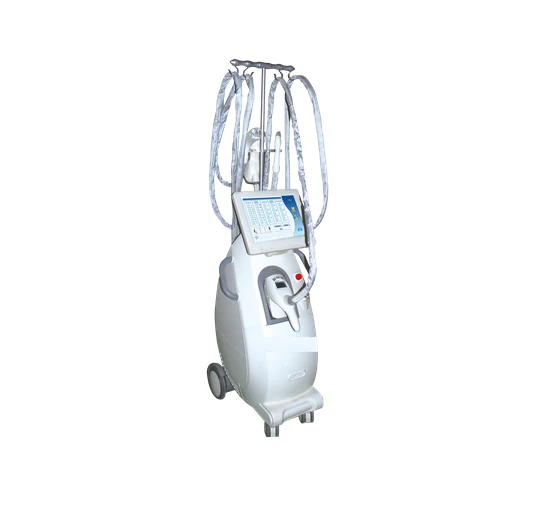
Ultrasonic Cavitation Machines
Cavitation machines buyer guide: how 40kHz ultrasonic cavitation fits a body-contouring menu, what to compare across configurations, and which claims to verify on the exact quotation.
40 kHz ultrasound↘06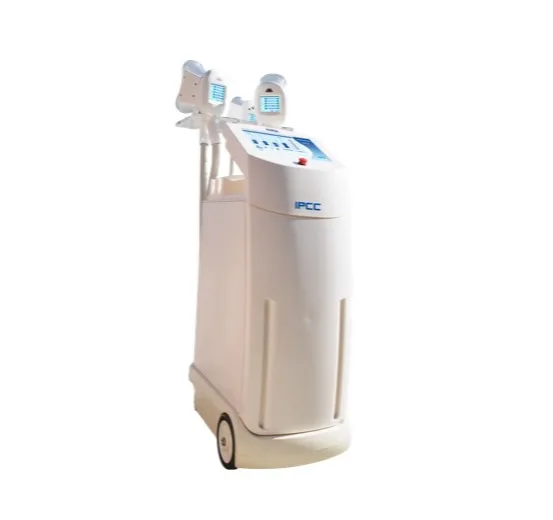
Cryolipolysis Fat Freezing Machine
Fat freezing machine buyer guide to cryolipolysis machines: a controlled-cooling equipment family for buyers planning a localized body-contouring workflow.
Controlled cooling↘Next step
Compare current configurations against the criteria in this guide.
Tell us your priority services, market, client mix and business type. Ask for the exact configuration, documents, training and service terms you need.
Describe your equipment plan ↘